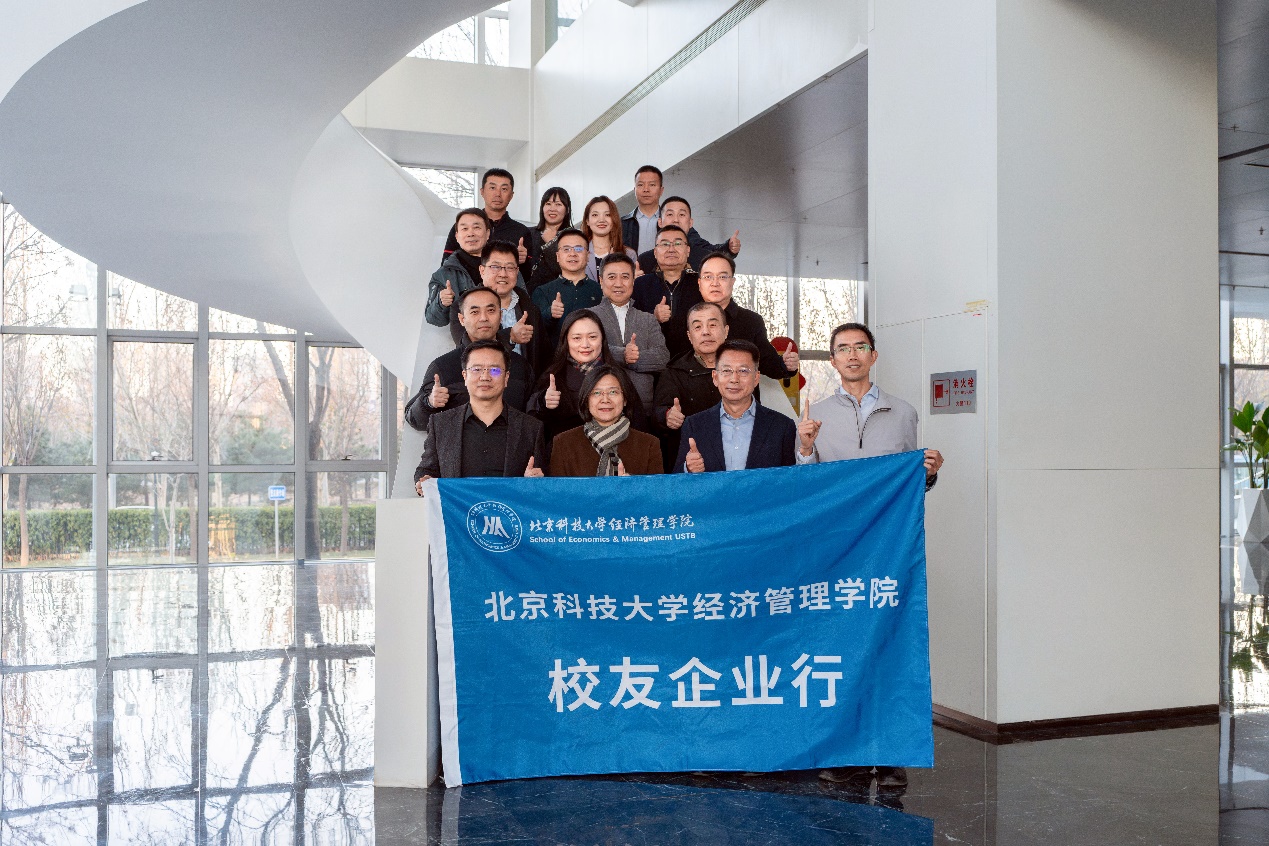
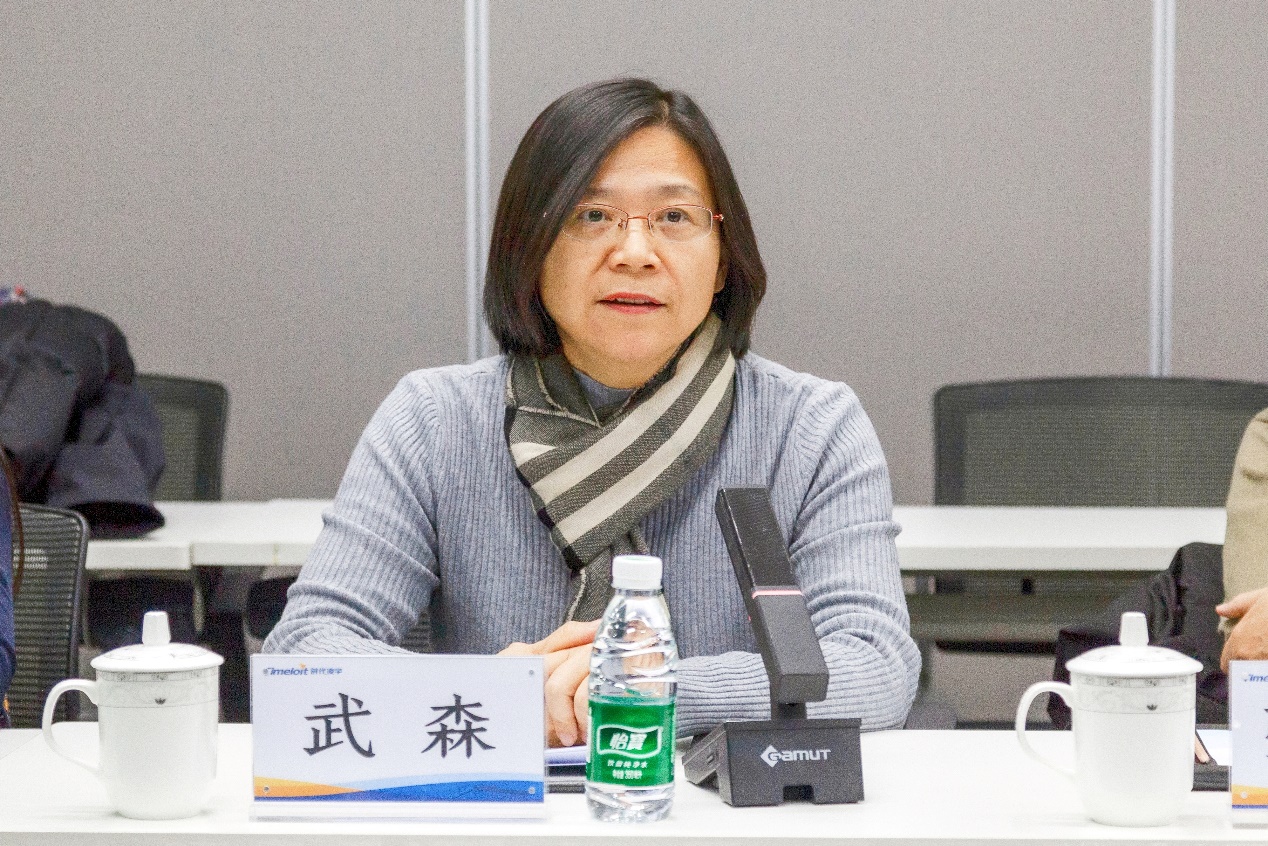
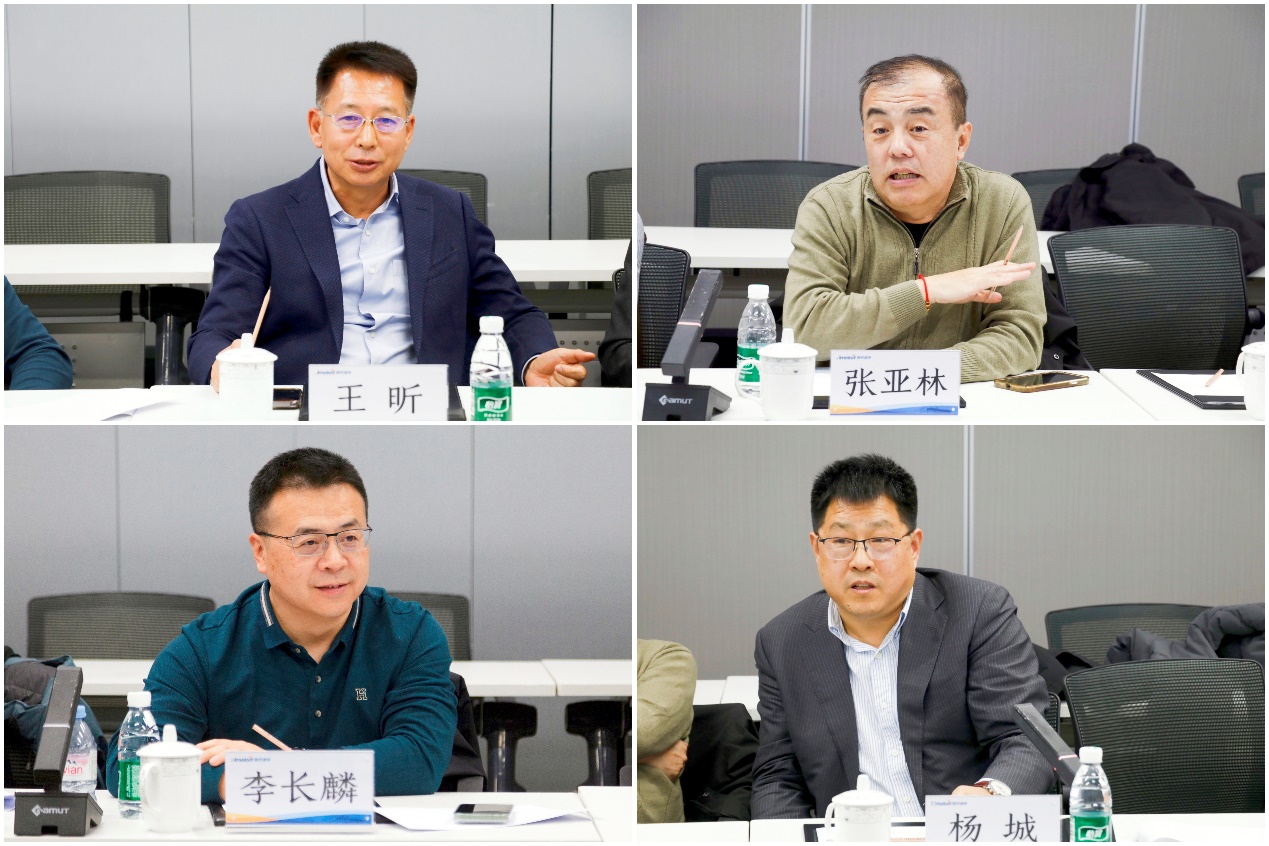
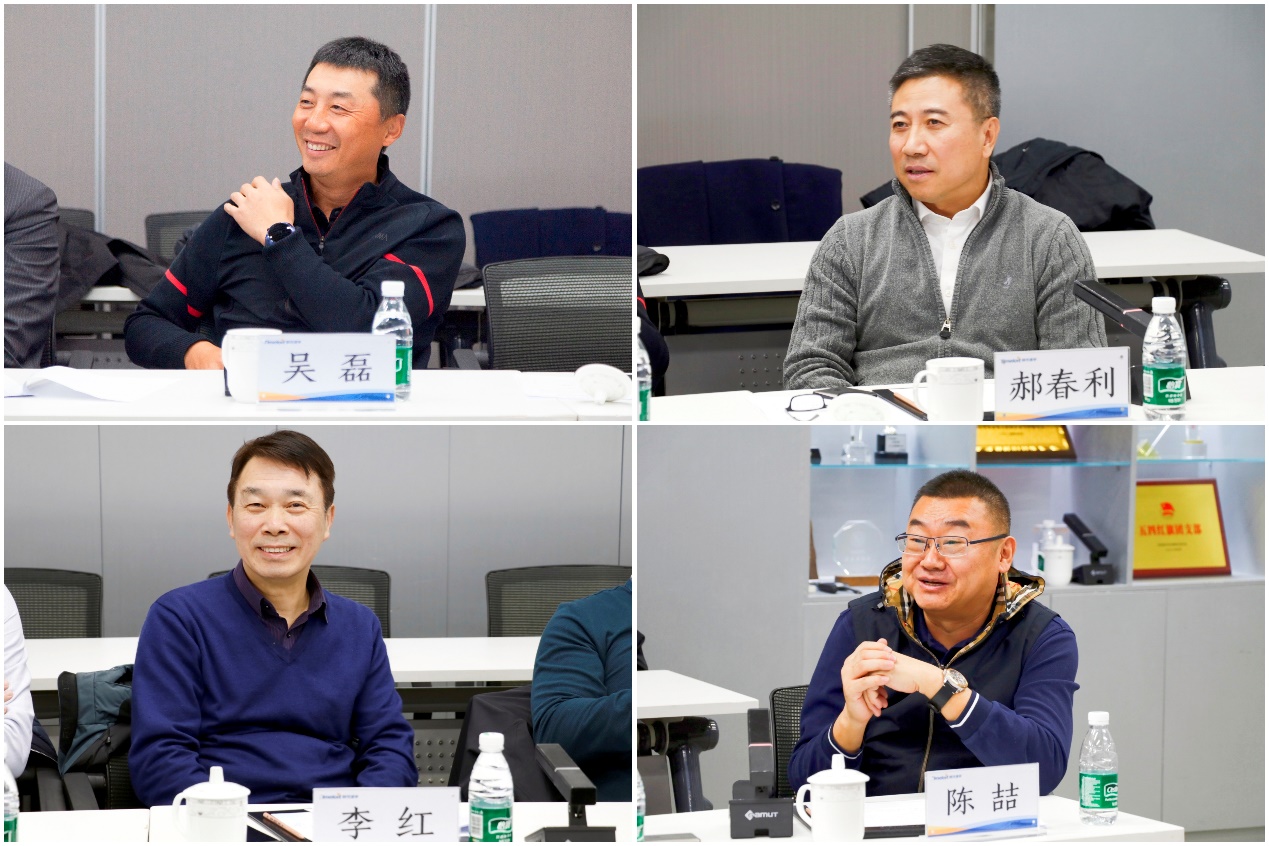
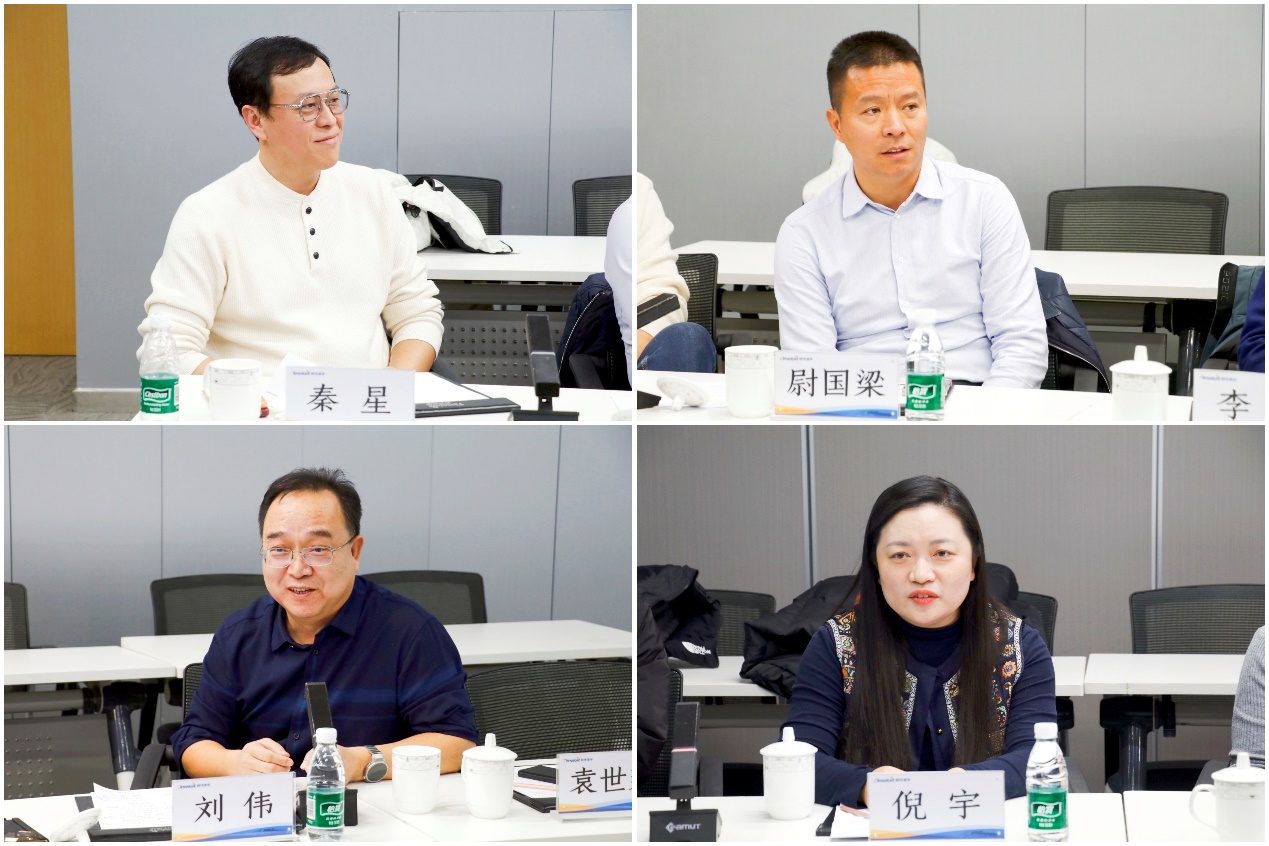
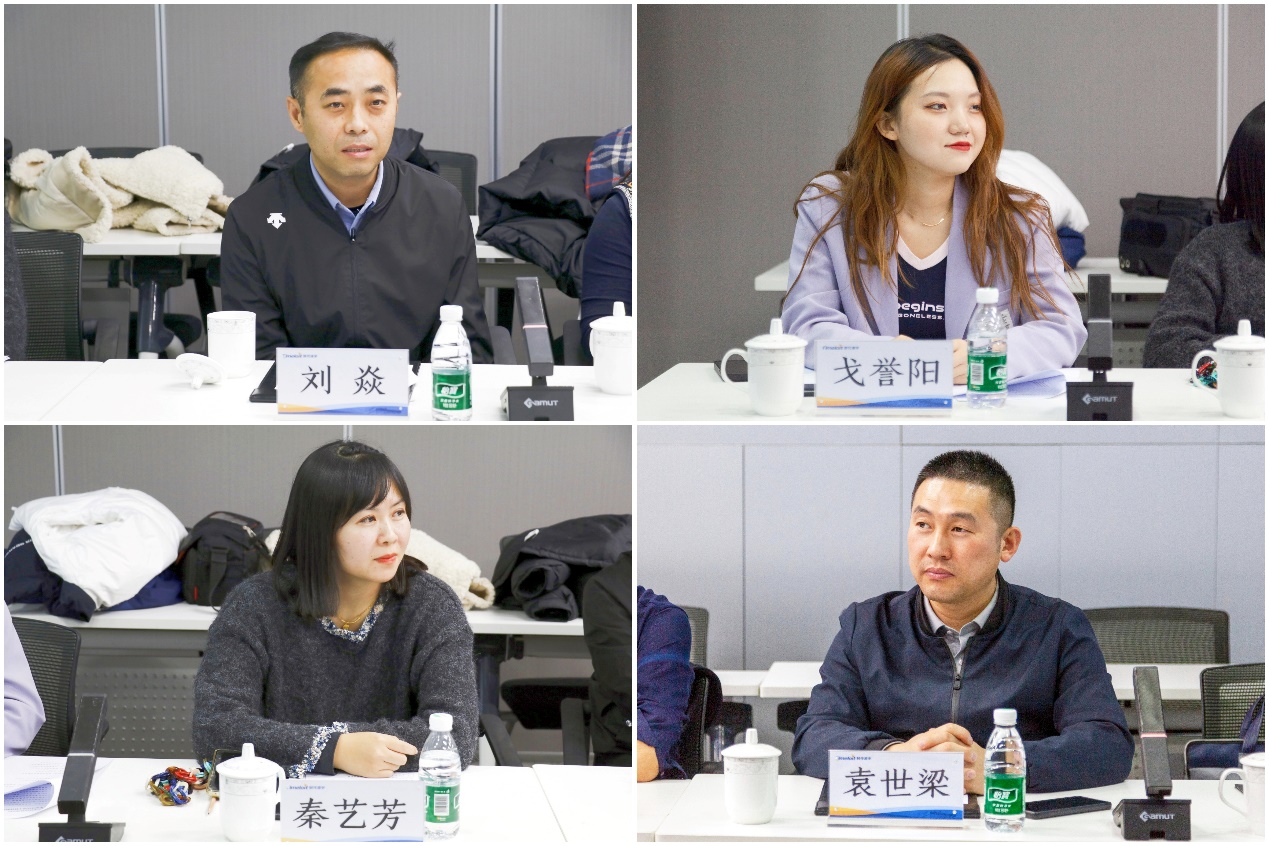
To further strengthen the exchanges and connections among alumni and the School, alumni and current faculty and students, and alumni themselves, and to better showcase the achievements of alumni enterprises, on the afternoon of December 2, Wu Sen, Secretary of the Party Committee of the School of Economics and Management (SEM), led a delegation to visit Beijing Timeloit Technology Co., Ltd. for exchanges. More than 20 people attended the event, including Ni Yu and Liu Yan, Deputy Secretaries of the SEM Party Committee and Vice Deans; Wang Xin, Vice President of the SEM Alumni Association; Zhang Yalin, President of the Entrepreneurs Chapter; Li Changlin, President of the MBA Alumni Association; Vice Presidents of the SEM Alumni Association Yang Cheng, Wu Lei, and Hao Chunli; Vice Presidents of the Entrepreneurs Chapter Li Hong and Chen Zhe; Qin Xing, President of the Entrepreneurs and Investors Alumni Association, together with its Secretary-General Wei Guoliang; and Liu Wei, an alumnus of the 2002 MBA class. Huang Xiaobin, Chairman of Beijing Timeloit Technology Co., Ltd. and an alumnus of the 2003 doctoral class in Management, and Huang Fei, President of the company and an alumnus of the 2020 doctoral class in Management, warmly received the delegation led by Wu Sen.
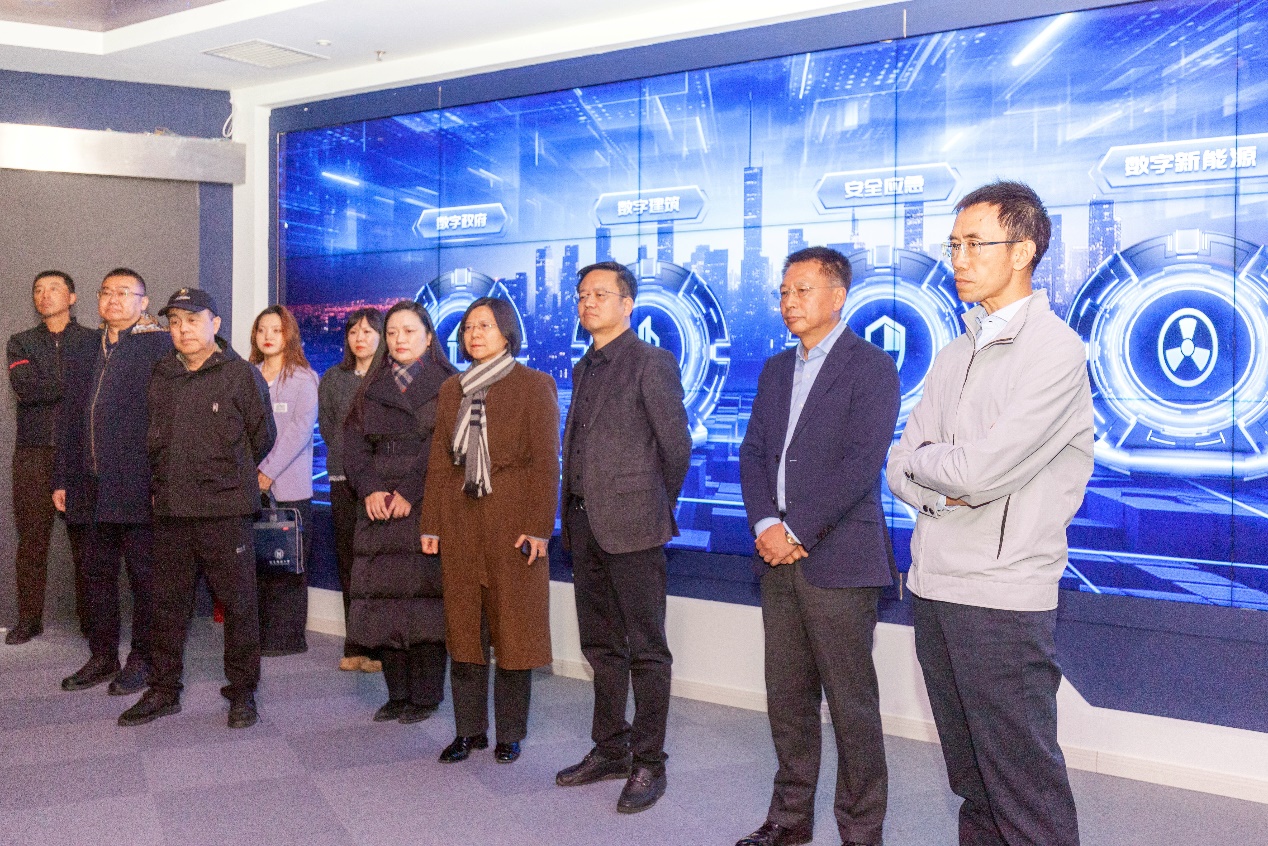
Accompanied by the two alumni Huang Xiaobin and Huang Fei, the delegation led by Wu Sen visited the Timeloit Smart Experience Hall, gaining a first-hand understanding of the company's innovative technologies, solutions, and practical application achievements in the fields of smart cities, smart parks, and safety and emergency response.
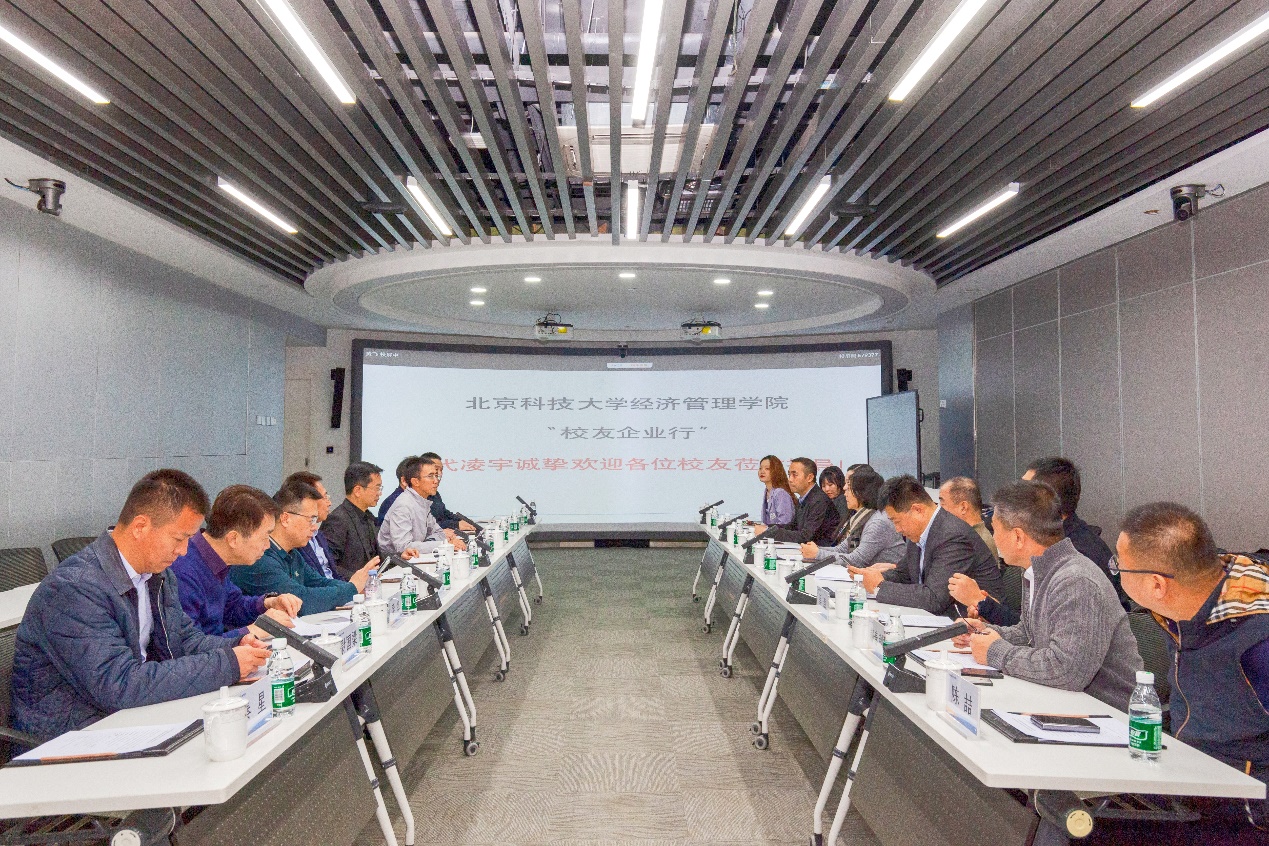
After the tour, the university and the enterprise held a seminar at the Timeloit Exhibition Center, which was moderated by Huang Fei.
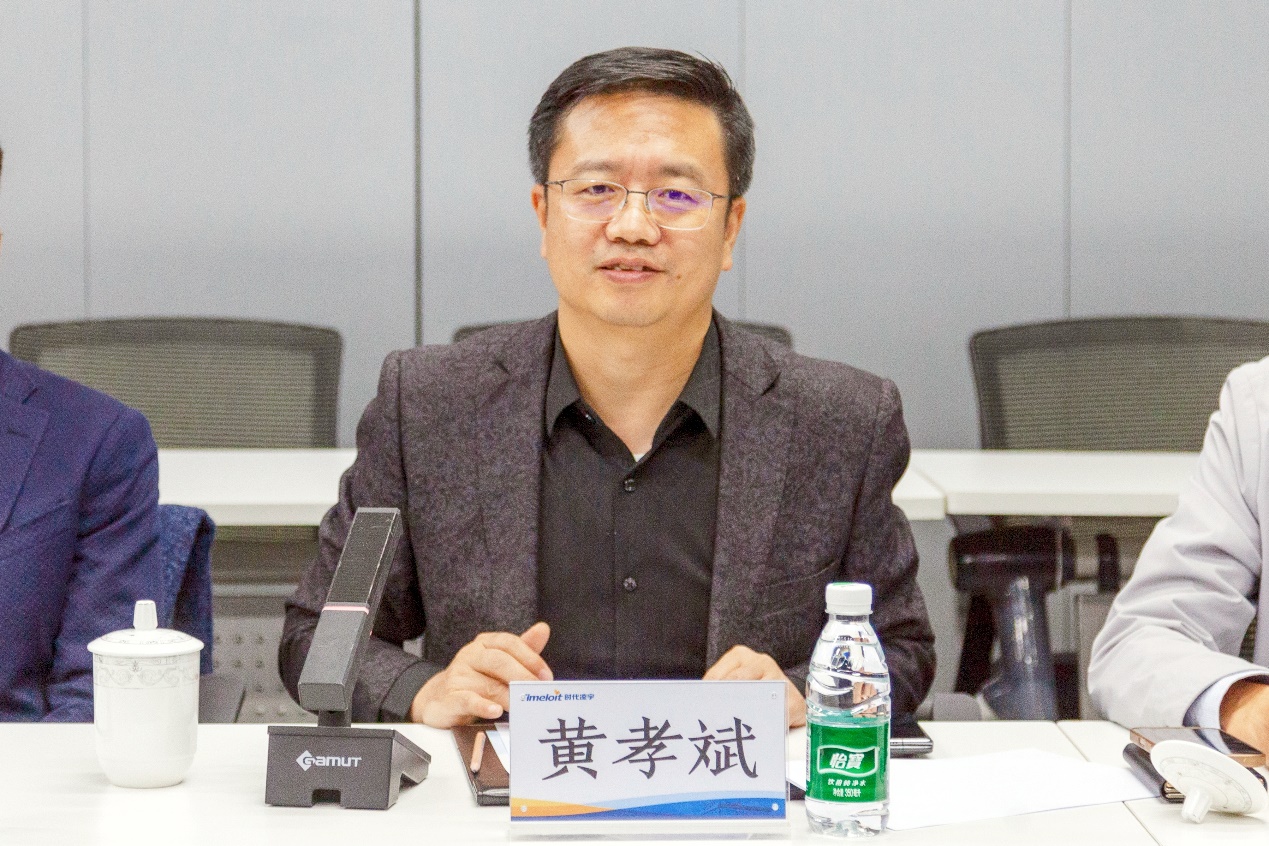
Huang Xiaobin extended a warm welcome to the delegation led by Wu Sen and introduced the company's development history, technological strength, global presence, current business management, and future strategic planning. He stated that the company is now at a critical juncture of profound transformation and must squarely face the disruptive challenges brought by changes in the global economic landscape and artificial intelligence technology. He pointed out that AI is no longer merely an iteration and upgrade at the technological level but has become a core driving force in reshaping business models, R&D systems, and even organizational structures. To this end, Timeloit will continue to embrace change, actively explore new business models, optimize organizational efficiency, and deepen industry-education collaboration, striving to make steady and far-reaching progress amid the wave of AI, and looks forward to joining hands with its alma mater and alumni at large to explore new paths for industrial integration and high-quality development in the AI era.
Wu Sen expressed her sincere gratitude for the warm reception from Timeloit and highly commended the company, as a key player in the field of smart city construction, for its outstanding capabilities in technological innovation, pragmatic management, and strategic foresight. She briefed the audience on the School's important progress in discipline development, talent cultivation, faculty recruitment and development, scientific research, and alumni affairs. She emphasized that this visit was not only an exchange between the university and the enterprise but also an important opportunity to deepen cooperation. She looks forward to leveraging the resources and platforms of outstanding alumni enterprises such as Timeloit to expand new space in industry-academia-research collaboration, student internship and practical training, and high-quality employment, and to jointly promote the organic integration of the education chain, talent chain, and industrial chain, achieving two-way empowerment and coordinated development between the School and enterprises.
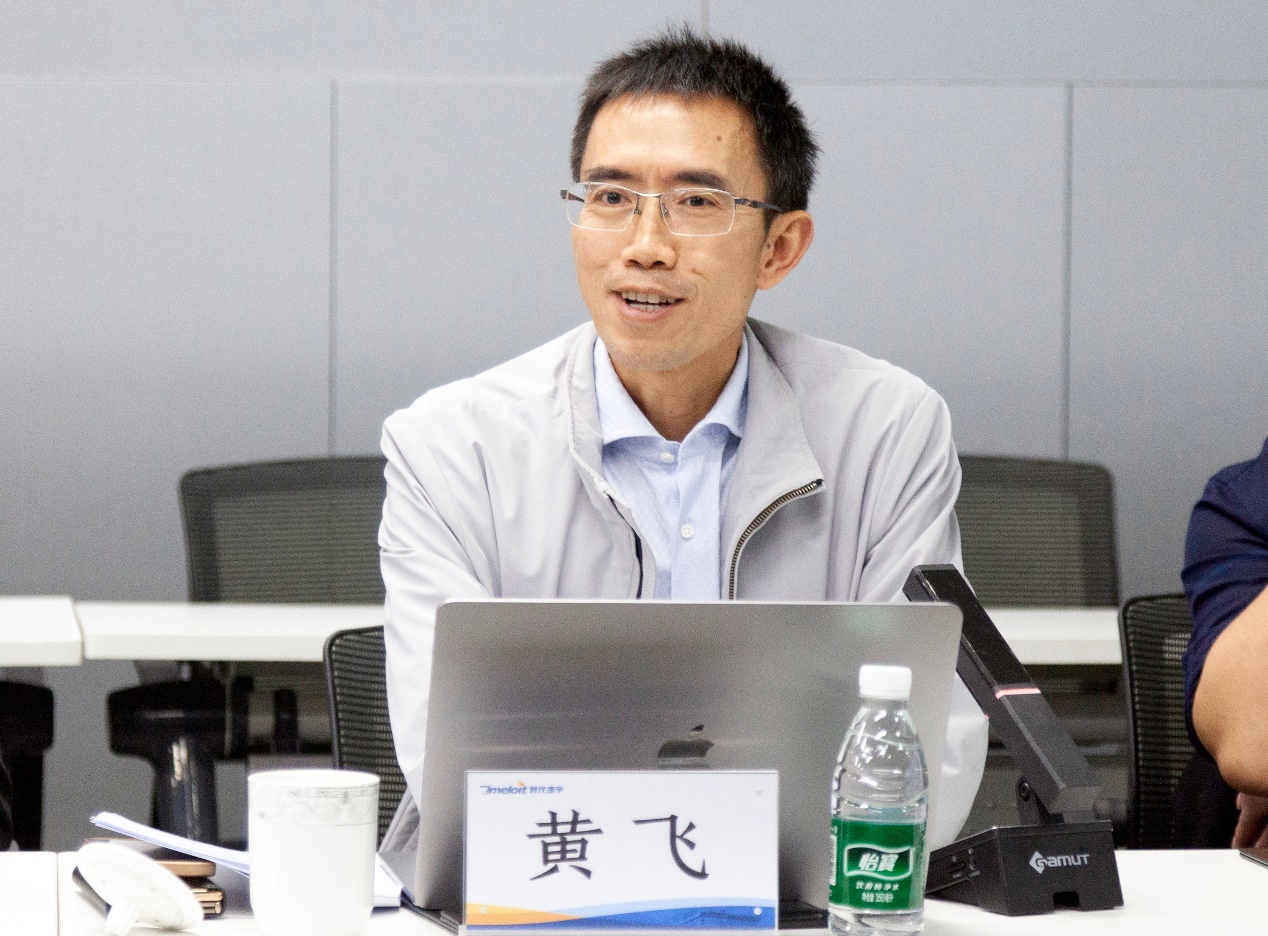
In the thematic discussion session, Huang Fei delivered a special presentation on "Reflections on Timeloit's Management Transformation." He introduced that, to respond to market changes and technological innovation, the company had carried out a series of reforms in its organizational mechanisms, incentive systems, and accounting models, focusing on building more agile and dynamic internal business units and stimulating the initiative and creativity of its teams through institutional innovation. Huang Fei candidly acknowledged that the company still faces new challenges in sustained transformation—such as strategic focus, deep cultivation of industries, and cross-departmental collaboration—that require continuous optimization and iteration.
Subsequently, the alumni and faculty in attendance engaged in in-depth exchanges on extended topics such as "Reflections on Changes in Talent Use under AI Trends" and "New Paths for AIoT Business Development." Participants generally agreed that, to cope with the changes of the AI era, enterprises need not only to strengthen their technological positioning but also to simultaneously advance the optimization of talent structures, the reform of internal collaboration mechanisms, and external ecosystem cooperation. Several alumni, drawing on their experience in their respective industries, shared practical insights on how AI improves operational efficiency and empowers business innovation, and discussed the prospects for the integrated application of AI and the Internet of Things (AIoT) in scenarios such as smart energy, urban management, and cross-border services.
This "Alumni Enterprise Visit" event effectively promoted in-depth exchanges and precise matchmaking between the university and the enterprise, laying a solid foundation for carrying out collaborative innovation and pragmatic cooperation across broader areas and at higher levels in the future. At the end of the event, the two sides took a group photo, and the visit concluded successfully.